A story by Sahat ZIA HERO
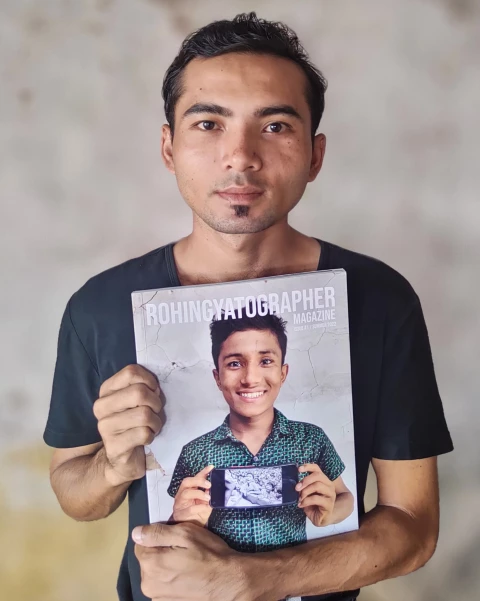
Sahat Zia Hero is a Rohingya photographer, journalist and human rights activist living in the refugee camps in Bangladesh. Through Rohingyatographer, a collective and magazine he founded, Rohingya photographers, writers and artists document life in the camps, telling their community’s stories in their own words. A 2023 Seed Awardee, Sahat received a Relief Grant in 2025 through the Prince Claus Fund’s Pilot Urgency Programme, which provides rapid, trust-based grants for unforeseen challenges that disrupt an artist’s practice and require urgent action. The programme is made possible by the Postcode Lottery.

Sahat looks back on growing up in Myanmar’s Rakhine State, where for decades the Rohingya have faced restrictions on their freedom of movement and their access to education and civil service jobs. Since Myanmar’s 1982 Citizenship Law, they have also been denied citizenship. Under these conditions, Sahat took photographs in secret, at a time when owning a camera could mean arrest.
Sahat recalls once being arrested by the police for using a small digital camera: "They took my camera away, but luckily, they didn't take me into custody after I bribed them. The police were always concerned about anyone documenting the violence committed against Rohingya minorities. Everyone knows about the 2017 crackdown on Rohingya Muslims, since they saw the video clips in the media; people fleeing as their villages were burnt. But the genocide already started decades ago, as Rohingya people had been facing discrimination and many kinds of violence and arbitrary arrests for more than 80 years. No one reported these crimes because documenting them was very restricted, even for journalists and NGOs in our homeland in Rakhine State." – says Sahat.
"Many people who are not Rohingya don't know what kind of violence and adversities we faced in Myanmar."
In 2017, a military crackdown in Rakhine State forced more than 740,000 Rohingya to flee across the border into Bangladesh. Two years later, a case was brought before the International Court of Justice accusing Myanmar of genocide against the Rohingya. Since 2017, Sahat has been documenting the precarious conditions in the refugee camps of Cox’s Bazar, in southeastern Bangladesh.


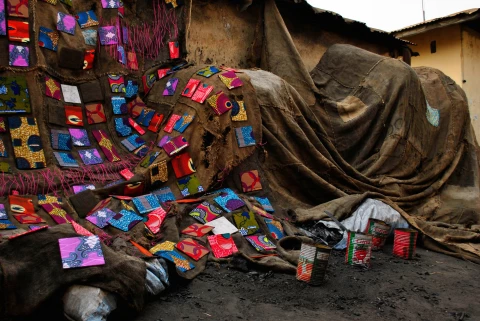
"People in the refugee camp face many kinds of challenges regarding shelter, food, water, and healthcare. Every year, mostly in the winter season, we have a lot of fires in the camp. The fire often destroys the shelter of thousands of refugees, and lots of families become homeless once again. There is a water crisis, as people don't get enough of it. There are no proper healthcare services in the camp, and people living in the refugee camp face a lot of health and hygiene issues," – explains Sahat, adding that the children in the camp don't have access to formal education, just basic learning centres. Being concerned that international media organisations seldom visit the camp and that there are very few stories about the Rohingya on social media, Sahat founded the "Rohingyatographer" magazine in 2021, aiming to tell their own stories themselves.

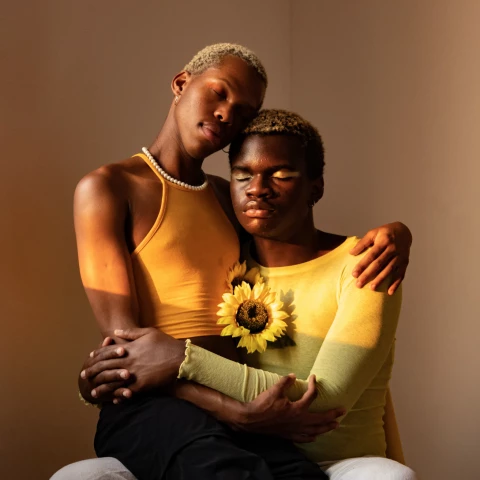
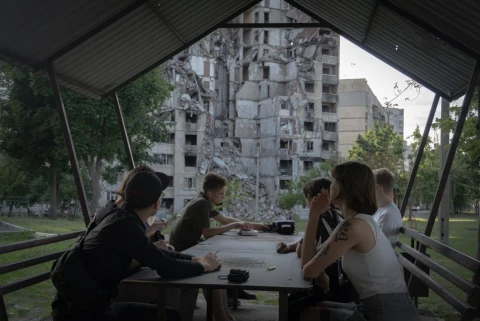
"Rohingyatographer" has become a defining voice in documentary photography within the Rohingya refugee community. With over 30 photographers, writers, and artists, it has redefined the Rohingya narrative from victimhood to one of resilience and identity.

"We don't work like the journalists working for media outlets. We don't have any specific agenda or scripted story. We document what we see and what is happening at this moment. We work every day, 24 hours. If there is any fire incident at night, our reporters report instantly. This way, the people and the authorities can see the report and act immediately" – explains Sahat.
"We raise awareness of what we are doing and how we are doing it, advocating for our rights and our needs so the people outside the refugee camp can hear our voice."

Beyond its journalism and advocacy, "Rohingyatographer" invests in the next generation: Sahat has trained more than 270 young people in photography and storytelling, and he is currently teaching an online course on Human Rights to 60 students. Alongside this work, he organises meetings and trainings with community leaders, teachers and local organisations in the camps on topics such as women’s empowerment.
"If there is any child missing, or anyone gets kidnapped in the camp, the students we have trained are the responders. They pass the information fast to us, to the agencies, to anyone relevant to the issue. They can tell the story of their community, amplify the voice of their people, and make a lasting impact with their skills, interests, education and better knowledge of storytelling, journalism and photography" – says Sahat.
"This is why I think we need to train the young generations, so they can develop their skills and empower their community."